Advanced skin, hair, and laser care tailored to your concerns, with treatments focused on healthy, confident, and naturally glowing skin.
Acne is one of the most common skin conditions, affecting teenagers and adults alike. It develops when hair follicles become clogged with excess oil (sebum), dead skin cells, and bacteria, leading to pimples, blackheads, whiteheads, or deeper painful cysts. While acne is not dangerous, untreated acne can leave permanent scars and affect self-confidence. Early diagnosis and the right treatment can help control breakouts and prevent long-term skin damage.
At Ameya Skin Clinic in Thane, Dr. Abhijit Raghuwanshi provides personalized acne treatment based on your skin type, acne severity, and underlying causes. Our evidence-based approach combines medical therapy, advanced procedures, and skincare guidance to reduce active acne, prevent new breakouts, and improve overall skin health.
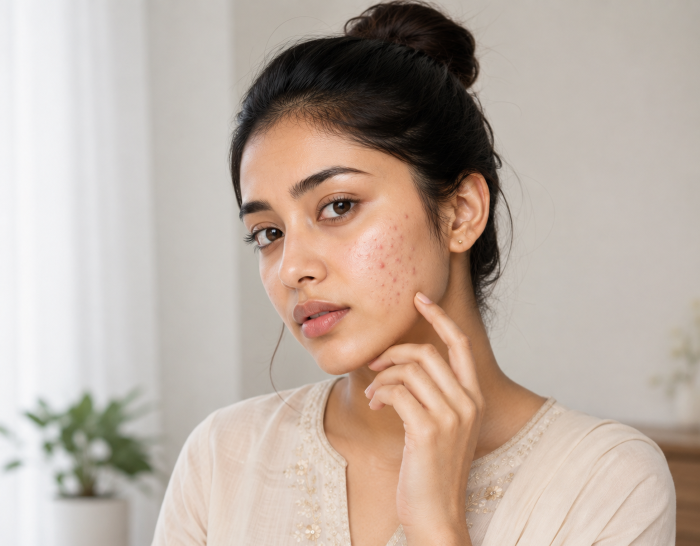
Acne does not develop because of poor hygiene alone. Several biological and lifestyle factors can contribute to breakouts.
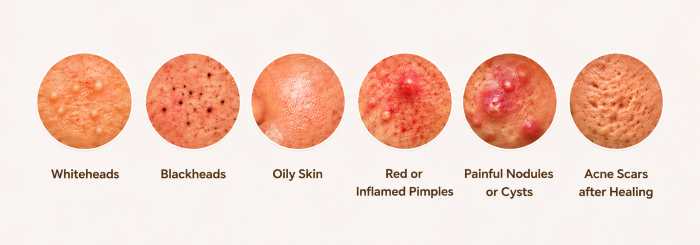
Acne can look different depending on how deeply the hair follicle is affected.
| Type | What You May Notice |
|---|---|
| Whiteheads | Small, closed, skin-coloured or whitish bumps |
| Blackheads | Open clogged pores with a dark appearance |
| Papules | Small, red or inflamed bumps |
| Pustules | Inflamed pimples containing visible pus |
| Nodules | Deep, firm and often painful lumps |
| Cysts | Deep, inflamed, pus-filled lesions that may cause scarring |
Some people also develop red, brown or dark marks after pimples heal. These marks are different from permanent acne scars.
If breakouts are frequent, painful or leaving marks, a dermatology assessment may help.
Not every pimple requires medical treatment. However, you should consider consulting a dermatologist when:
Early assessment is particularly important when acne is causing scars, as established scars can be more difficult to treat.
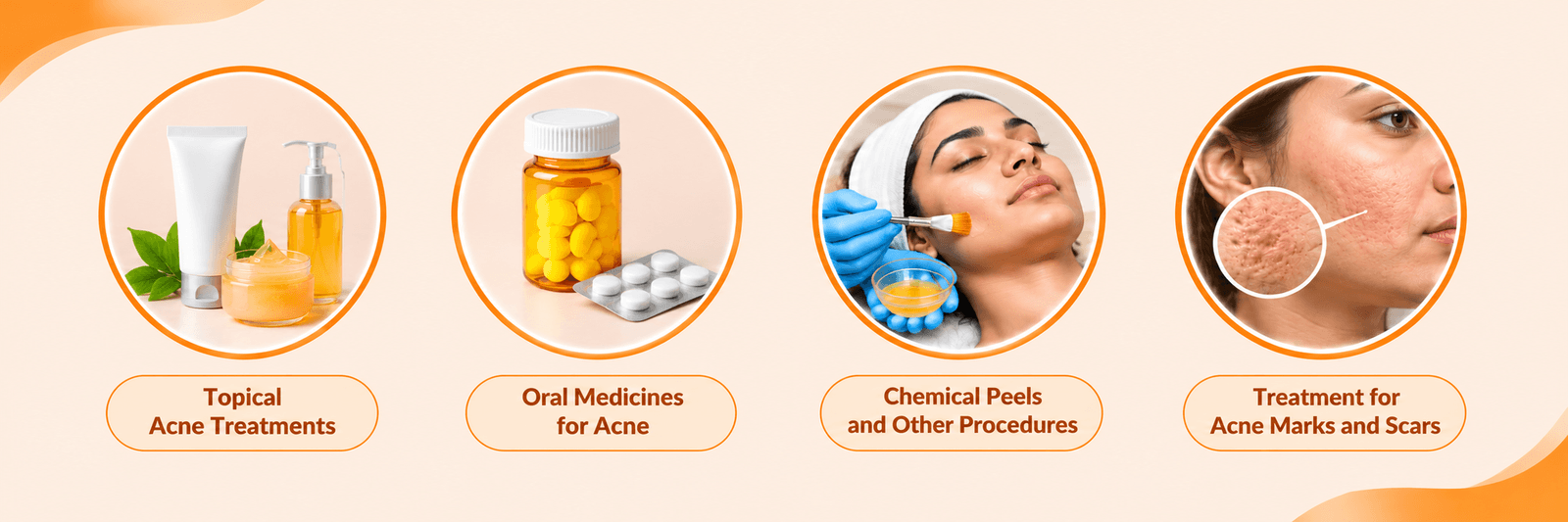
Acne treatment depends on the severity of breakouts, the type of lesions, previous treatment response and individual health factors. A treatment plan may include topical medicines, oral medicines and selected procedures.
Topical medicines are often recommended for mild to moderate acne. Depending on the condition, a dermatologist may prescribe:
The choice of treatment depends on factors such as skin sensitivity, age and pregnancy-related considerations.
Moderate to severe acne may require oral treatment when topical medicines alone are insufficient.
A dermatologist may consider:
These medicines require appropriate medical assessment. Oral isotretinoin, in particular, needs careful monitoring and must not be used during pregnancy because of its risk of serious birth defects.
Selected dermatological procedures may be considered as supportive treatment in suitable patients.
For example, certain superficial chemical peels may help with clogged pores or uneven skin tone. Some procedures may be more appropriate after active inflammation has improved.
Procedures do not replace standard medical treatment for persistent inflammatory acne. Their suitability and expected benefits should be discussed during consultation.
Dark marks left after acne are not the same as permanent scars.
Post-acne pigmentation may improve with sun protection and appropriate topical treatment. Depressed or raised acne scars may require separate procedures once active acne is adequately controlled.
Learn more about acne scars and the available assessment options.
Acne usually improves gradually rather than overnight. Some patients notice early improvement after several weeks, while a clearer response often takes 6-8 weeks or longer, depending on the treatment used. More substantial improvement may require a few months.
Treatment response varies according to acne severity, consistency of medicine use, hormonal influences and individual skin characteristics. Follow-up visits allow the dermatologist in thane to assess progress, manage side effects and adjust treatment when necessary.
Yes. Acne may recur, particularly when hormonal or genetic factors continue to influence oil production and inflammation.
Some people need maintenance treatment after their active acne improves. A simple skincare routine and appropriate follow-up may help reduce recurring breakouts.
The goal is sustainable acne control rather than a promise that pimples will never return.
A consistent skincare routine can support medical treatment.
Expensive products or complicated skincare routines are not always necessary. A few suitable products used consistently are often more helpful.
Acne management should consider more than the number of pimples visible on the skin. The type of acne, skin sensitivity, risk of scarring and previous treatment response all influence the choice of care.
At Ameya Skin Clinic, Thane, Dr. Abhijit Raghuwanshi provides dermatological consultations for patients experiencing teenage acne, adult acne, persistent breakouts and post-acne skin concerns.
The consultation focuses on understanding the condition, explaining suitable medical options and discussing realistic treatment expectations.
Patients can also receive guidance on skincare practices and follow-up care to support long-term acne management.
There is no single treatment suitable for everyone. Mild acne may respond to topical medicines, while moderate to severe acne may require oral medication. The choice depends on acne type, severity and individual health factors.
Acne can often be controlled effectively, but recurrence is possible. Some patients require maintenance treatment, especially when hormonal or genetic factors contribute to breakouts.
Topical and oral acne medicines do not involve painful procedures, although some may cause irritation or other side effects. Certain dermatological procedures may cause temporary discomfort.
Early improvement may appear within several weeks. Many treatments require approximately 6–8 weeks or longer before their effects can be properly assessed. The duration varies between patients.
Oily skin can contribute to acne, but not everyone with oily skin develops breakouts. Acne also involves blocked follicles, inflammation, hormonal influences and other factors.
Yes. Hormonal fluctuations can contribute to adult acne, particularly around menstruation or in association with certain endocrine conditions. Not all adult acne is caused by a hormonal disorder.
Flat red or dark marks may fade over time. However, true depressed or raised acne scars often persist and may require separate dermatological treatment.
No. Acne-prone skin still needs adequate hydration. A lightweight, non-comedogenic moisturiser can help support the skin barrier, particularly when acne medicines cause dryness.
Diet may influence acne in some people. High-glycaemic foods and certain dairy products have been associated with acne in some studies, but individual responses vary. Dietary changes should not replace appropriate medical treatment.
A qualified dermatologist can evaluate persistent acne, identify its severity and recommend suitable treatment. Patients in Thane can consult an experienced skin specialist Dr. Abhijit Raghuwanshi at Ameya Skin Clinic for dermatological evaluation.
Persistent acne does not have to be managed through repeated product trials or home remedies alone. An individual assessment can help identify suitable treatment options and reduce the risk of lasting skin damage.